

Solutions for Making Birth the Best: Navigating the Landscape of Modern Maternity Care
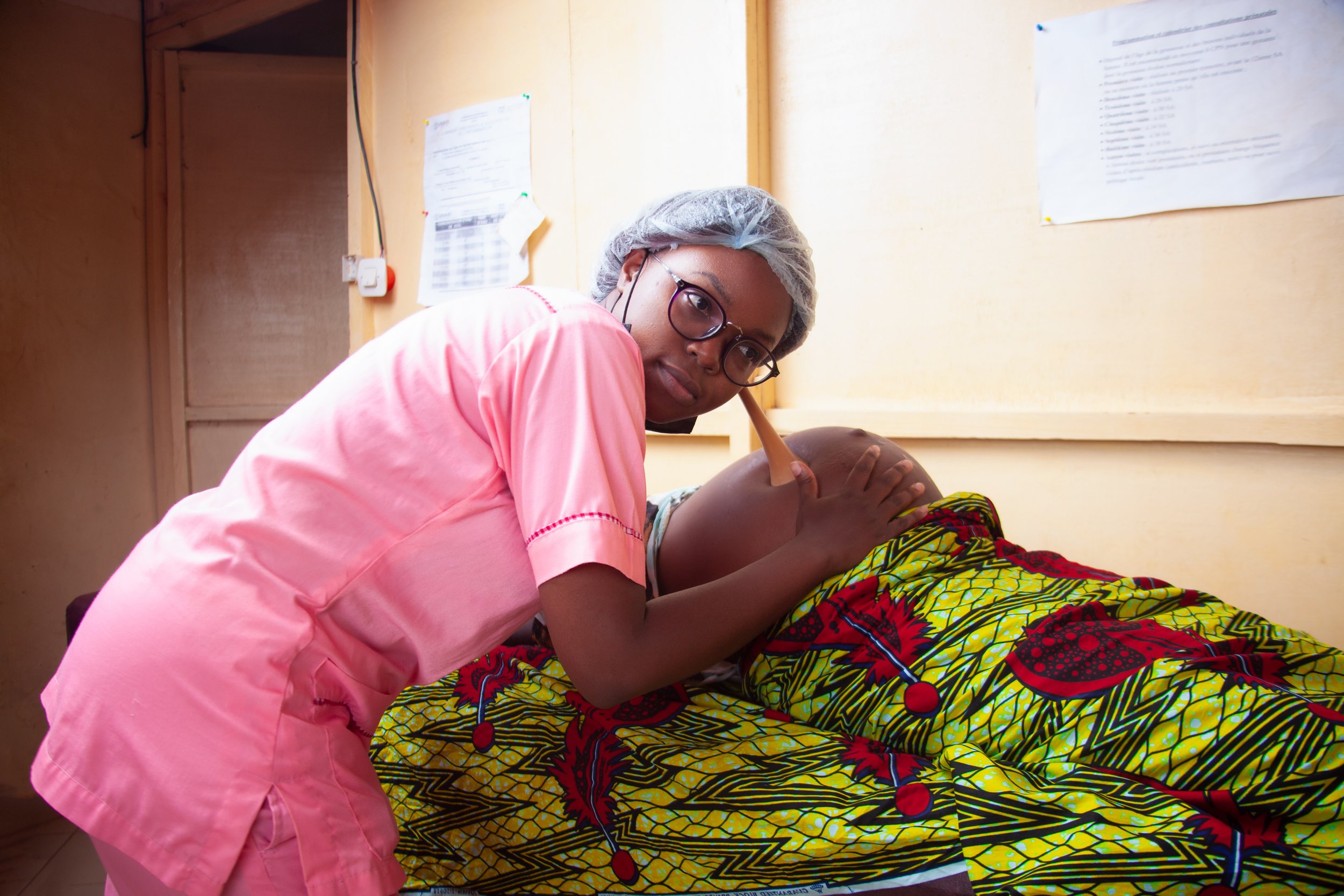
I finished a book called Motherwit, a story about an Alabama midwife coming up in the time of severe equality and gaps in maternity care. She cared for women in a way that puts our current maternity care system to shame. Granted, her families were living in homes that had no bathrooms, tiny kitchens, no living rooms…simply two bedrooms and like I said, a tiny kitchen. The families that inhabited these homes were, as she reported, huge. She often found herself sewing clothes for babies and other little ones in the home while she awaited the mother’s labor to progress.
This book was a revelation and moved my soul. I wish it could say it was the reason I went intot he field of public health, a feield where the health of the public was priority. The pillars of public health vary within the field, but it’s important to note that those of us who invest our time into developing an education and time in research, and turning that research into tangible materials for education and providing care, you really see a lack in the maternity care sector. The statistics we face when looking at the maternal health outcomes specifically for Black and brown women really speak volumes today which are ultimately echoes of the past.
When I stepped into public health, I knew I was focusing on maternal health. I knew I wanted to look at data and make imporovements for moms and babies. What I didn’t know, what I found by accident, what I stumbled upon was how history is largely resonsible for our current state of affairs. Our current system runs exactly the way they imagined it to back when the field of obstetrics was contrived. We read books like Witches, Midwives, and Nurses and quickly realize we are being played.
The statistics flash across the screen in colors bold enough to require an emotional response, and illicit a verbal outcry of why. We seek to find the answers why and many are offering their reasons and opinions, some expert opinions so lived experiences are writing our stories today and it makes me wonder where we are headed in the future of women’s health. How have we become monetized? Our bodies and the functions we suddenly made the business of many men who made theories, performed experiments, and structure our care in such a way to “make things better” for us, but instead it was about lining their pockets with elitism and prejudice. So where do we go from here?
I was told by someone a long time ago that, it doesn’t do well to dwell on the problem because then we miss the opportunity to find a solution therefore, I have positioned myself in all areas of life to be a problem solver; a resourceful resource. We are faced with the issue that the system that cares for women today and those that work for that particular system are in an algorithim of sorts that has made strides and improvements to medical care that we cannot forsake. These improvements have been massively lifesaving and have created longevity in life and quality of life. What we are looking at here is the system as it pertains to the care of women in their reproductive health, pregnancy care, birth, and postpartum. It has failed us.
Here are some solutions that I have been inspired by this particular read for all women seeking care:
Community birth integration: There are various types of midwives in the United States of America and I think it’s important to understand who they are and what type of education precess them. While I am a home birth mom myself and would plan to have another if I had another child, I don’t believe it’s right for every single woman who is planning a birth. Options are key here. If we integrate midwifery care into the system where there is a streamlined process for transfers when needed, we will be able to support a large community of people and their preferences.
OB Clinics utilization of community doulas and childbirth educators: Obstetric clinics can contract with childbirth educators or doula agencies and promote the use of both to their patients.
Insurance sharing: Now there are lots of options and opinions about this, but this is alot to unpack and it won’t be done in the next few sentences. The thing here is that this would need to be more financially accessible for the women facing disparities if finances are an issue. This could be supplementing or scholarship funding in a insurance share so that someone could have better access to a care provider who is quality and aligned with how they would like to navigate their care. Public health insurance is flawed and rarely offers many choices as many providers or facilities have refused to take it. “Public health insurance is more affordable than its private counterpart, as it has lower administrative costs and often requires no co-pays or deductibles. However, public health insurance is also less flexible, as policyholders are typically given a limited selection of medical service providers. This is because many medical establishments still refuse to accept government-sponsored health insurance plans. On top of that, therapy may not be reimbursed by public health insurance, even if it’s deemed necessary.” -Pacificprime.com
Here are a few insurance share options:
Medishare: Medi-Share is a health care sharing ministry where members share each other’s medical bills and pray for each other’s medical challenges.
Christian Health Minitries: Our mission at the Healthcare Enrollment Center is to help you find the best health care by comparing all available options.
More Birth Centers: I don’t think this is a secret that we need more birth centers. There are rural communities in this country, and more I’ve come to find out just by moving to TN, that are in desperate need for care. Families are left with over an hour of travel for quality prenatal care or any prenatal care for that matter and perhaps little to no transportation.
While I’m sure some of these thoughts and ideas for our current system need plenty of fleshing out and will have some obstacles to address, it wouldn’t hurt to consider. Knowing our history and the red tape, legislation, policy, and prejudice mindset that got us here, we are now faced with the facts and the data to change. As we know, we cannot change anything overnight, however, with the more we learn, the more desire for learning we gain, we can always start with changing our decisions and the way we choose to navigate our care.
X,
Gi