

Book Review Pt. 2 Pushed by Jennifer Block
I would venture to say that this book will disturb, if it hasn’t already, the current perception of the medical system, birthing system in particular. We have a vested interest as women, birth workers, and community support people to investigate if the routine interventions to perform preventative measures are truly there for benefit of the mother/baby dyad or to support a backing of the systems internal processes.
I don’t like to assume. It’s actually one of my least favorite things to do because…you know what it does. Assuming also holds very little ground especially when it comes to science. Now if we learned to assume and draw conclusions based on the depth of information we had, then I would say that could be considered educated guesses? The reason being is that, the more you know the better you can decide for yourself and make an educated decision based on the information you have.
Block presents a wonderful well rounded view in many ways. She doesn’t speak from a bias standpoint. No, she’s investigative. Her angle is that of a curious and information gathering goal. She speaks to various different childbirth professionals, from midwives, to doulas, to OBs, to labor and delivery RNs.
The overarching point is this: while we are in absolute need of Obstetric emergency, high risk, and intervention care, there’s an exceptionally high chance that they may be overused.
I will say, I was already on the train of delivering at home with skilled midwives if you can, but once chapter 3 hits, I was even more convinced that this care model of midwifery care is what every single woman deserves and needs. The choice to have midwifery care, however, is not available to everyone in the United States. Mostly because, midwives are not integrated into the healthcare system here in the United States-a scar that remains seen from their initial removal.
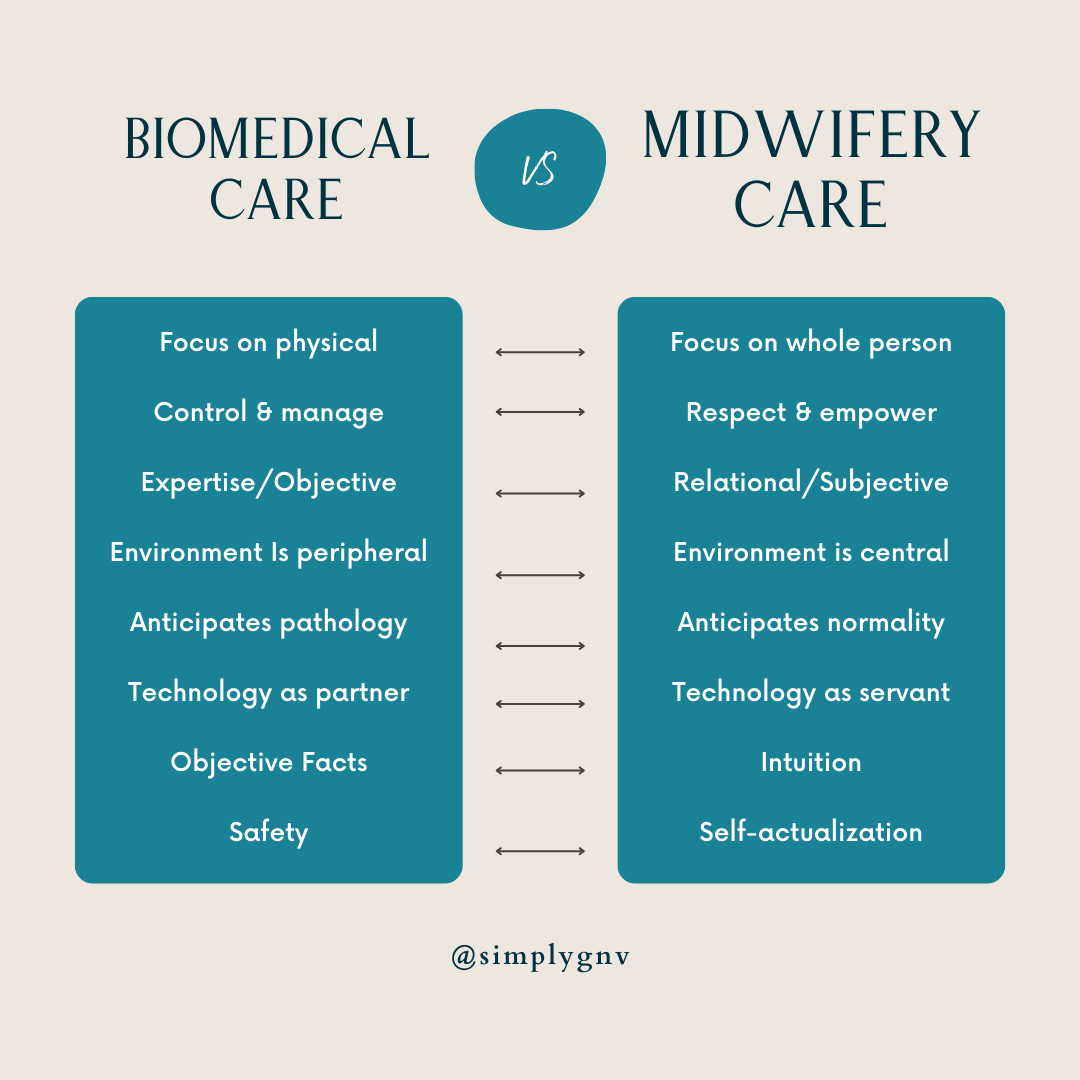
Without trying, Block offers very clear quality examples on the the model of care delivered by both medical providers and midwives. For a simplified view of care models:
In an interview, she says “I would agree that there has been a collective loss of confidence in the female body's ability to give birth, and a quiet acceptance of surgical birth as the solution. Having said that, however, I think we still have to ask how much of this system women are choosing, and how much is beyond their control. The women I've talked to overwhelmingly just want what's best for themselves and their babies.” -Jennifer Block
The thing we need to remember, is not to become defensive when pieces of information that reflect truth disturb agreements that we’ve already come to terms with. Sometimes what we’ve felt the most comfortable with is challenged, for me, my justification for heavy technology use for the “safety” has been quite jarred. For the sake of choosing what’s best for mom and baby, we shouldn’t be using this emotional coercion in our to make women decide on things that providers feel most comfortable with. They should be choosing these interventions or not choosing these interventions based on the information they have received and intuitive perception. Technology as a servant when necessary vs overuse out of fear.
In a world that runs on technology, how do we get back to basics? Perhaps the reintegration of midwifery care model for all pregnant mothers, but that would require a full restructure of our care system as we know it, allowing insurance to dictate what they’re willing to cover and what they’re not. In the book, she discusses the fear that many providers carry based on insurances and malpractice insurances. Many decisions rooting themselves in those two entities.
Maybe we won’t see the integration. Maybe the system is running the way they want it to run. Maybe it’s not broken. Maybe we just need to demand and expect better care, or maybe we need to make different choices.
Let me know your thoughts!
X,
Gi