

A Simple Case for Herbal Support in Family Health
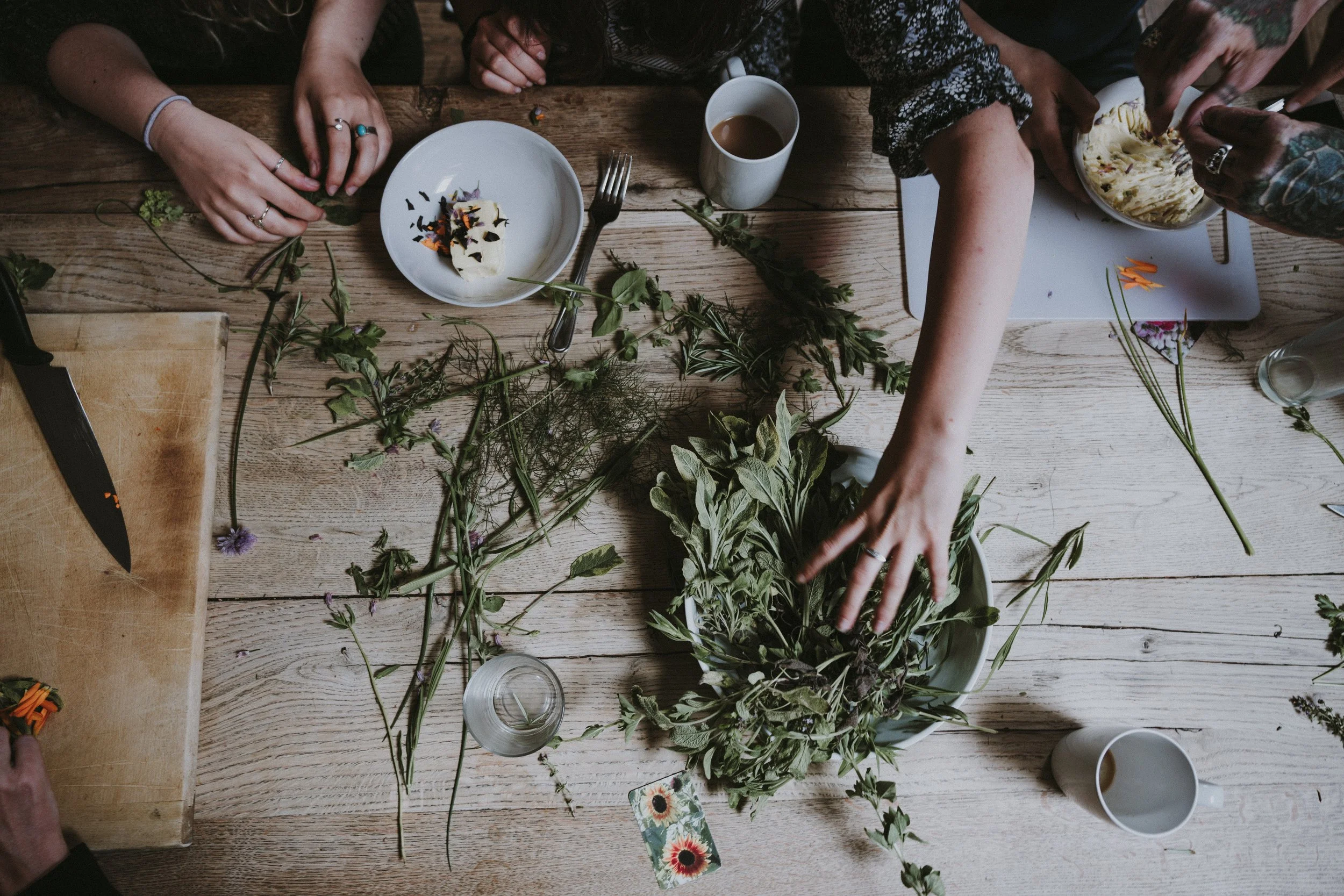
Here’s the thing. Long ago, there was a time when medicine women, wise women, plant healers, these wildly insanely smart women were the healers of their neighborhoods. Before there was a massive structure of what we know as the medical system, there was the simple system of women caring for their families and other families that existed within their living areas and sometimes outside of that. These women had knowledge and wisdom passed down from generation to generation catapulting their young ladies into a specialty of healing that we could only hope for today. Before the medical colleges, long before the degrees, before academia and all its wonderful regard, before the white coats, and policies, these women existed to serve their families and the families of their closest neighbors.
Seeking journals and studies and searching for proof that something works is something of a new feat. Confirmation only coming from the experts. But they were only experts because of formal trainings and extensive academics by shutting out economically disadvantaged and people of color. Does that suddenly discredit the work these women contributed to healing? Does this making anyone following these practices crazy, hippie, anti-whatever the narrative is, now? Does it make them… witches? If memory serves, women were slaughtered at the label “witch” because they had healing methods that the men attempting to add structure, were simply threatened by. A step further, a place to monetize that wasn’t previously monetized. Herbal plant medicine. Birth…etc. A shadow of the past coming back into light.
Herbal remedies have been used for centuries to treat a variety of ailments and promote overall health and well-being in addition to preventative care. These remedies use natural plant-based ingredients, derived from the earths gifts to provide relief from a variety of health issues, from minor complaints like colds and headaches to more serious conditions like diabetes, high blood pressure, pregnancy ailments, childbirth, etc.
The thing that made this so perfect was that these remedies were and often are now far more accessible to communities than prescription drugs, and they also may have had and may have, fewer side effects. With insurances, red tape, inequitable healthcare, co-pays etc many face barriers to quality care. Plus, many people find that using natural remedies provides a more holistic approach to health, focusing on the whole person rather than just the symptoms of a particular condition. Rather, a root cause approach.
There are many different herbs that are used in herbal remedies, each with its unique properties and benefits. Each herbal professional will have different ways and approach to the healing modalities. Here are a few examples:
Echinacea: This herb is often used to boost the immune system and prevent or treat colds and other respiratory infections.
Ginger: Ginger is a natural anti-inflammatory, and it is often used to ease nausea, reduce pain, and improve digestion. I often recommend this herb for pregnancy to help attempt to curb nausea.
Turmeric: Turmeric contains a powerful antioxidant called curcumin, which is believed to have anti-inflammatory and pain-relieving properties. You have to read, SuperLife by Darin Olein, it is a must. He discusses superfoods like Turmeric and actually speaks of his trip to India visiting family farms that have grown the herb for generations.
St. John's Wort: This herb is often used to treat depression and anxiety, as it is believed to have mood-enhancing properties. It works really well with other modifications layered along with it. (If you are suffering with severe forms of depression and anxiety please seek professional help.).
Milk Thistle: Milk thistle is often used to support liver health and protect against liver damage.These are just a few examples of the many herbs that are used in herbal remedies. It is important to note that while herbal remedies can be effective, they are not a substitute for medical advice or treatment. If you have a serious health condition or are taking medication, it is important to talk to your doctor or preferred practitioner before trying any herbal remedies.
Here are some ways that I use herbs in my practice and at home:
Allergies (WishGarden Herbs has some for the entire family! Pregnant, kids, and adult!)
Childbirth (I love WishGarden Herbs for all their labor and birth support)-I will cover the specific herbs in a seperate post.
Sleeplessness
If you are interested in using herbal remedies to improve your health, there are many different ways to incorporate them into your routine. Especially if you’re expecting a sweet little babe, the use of herbs during childbirth and postpartum can improve many aspects of the experience is positive ways. You can find herbal supplements and teas in my apothecary. Signing up is free access to thousands of holistic pieces of support.
You can also grow your own herbs and make your own remedies at home just by going to a home and garden store for some seeds or seedlings! When using herbal remedies, it is important to follow instructions carefully and above all listen to your body. Unlike prescription drugs, herbal remedies may take longer to produce results, but they can be effective over a longer period of time when used properly.
Herbal remedies can be a useful and effective way to support your overall health and well-being. With so many different herbs and remedies available, there is likely an option that can help with your specific health concerns. If you’re unsure on how to approach herbs or other holistic modalities, you can find me here!
XO,
Gi